
The Good News About Interviews – Tip 4 of 10
Going to an interview can seem a daunting prospect, so here is this week’s tip that you can take to improve the probability of your career success.
Tip 4 of 10: Interview – Managing the Process – Body Language & Listening Skills.
An interview is about people not companies. The decision to hire or not to hire; or to accept or not accept; is made by individuals, on the basis of their beliefs about each other.
Treat this as a meeting rather than an interview; don’t sit and wait to be interrogated, look like part of the organisation, this is a meeting between equals. Don’t feel that you are in a subservient position; the interviewer is the one with the problem, they need your skills, that’s why he/she is taking the time to meet you. See yourself as the solution to their problems – don’t be there if you’re not.
The way you come across is important in an interview. This means building rapport with the interviewer, being seen as someone they can work with and who will be an asset to the team or business. Be warm, open and enthusiastic, but don’t try to create an artificial persona.
Good listening is the key to interviewing well. It is tempting to start thinking about how you will respond to something that has been said before the interviewer has finished saying it. Listen to the end, ensure you have understood the question, or the information given. Don’t hesitate to ask clarifying questions if you need to, never guess at what is meant or answer the question you hoped they’d asked.
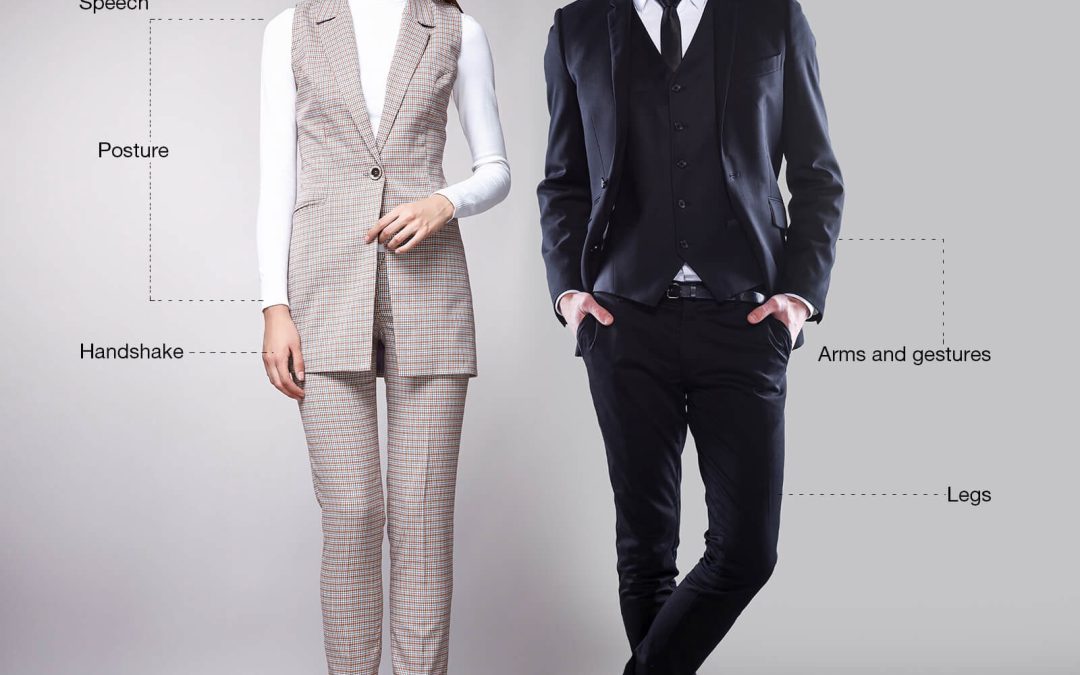
Don’t spend too much time worrying about your body language. There are a few pointers worth considering, but otherwise it is much more important to focus on demonstrating your skills.
Try to:
- Smile and maintain good eye contact. Don’t stare at the other person, move your eyes around their face and look away to think if you wish.
- Keep an ‘open’ posture. This means not crossing your arms or clasping your hands, which can betray nervousness.
- Relax, but don’t slouch. Sit upright, lean forward occasionally to emphasise a point or demonstrate your enthusiasm, but don’t overdo it and don’t invade their personal space.
- Use your hands to add variety to your voice and delivery, within reason.
- Don’t fidget.
So performing well in the interview might not be as daunting as you first thought and may not require anything more than a fresh perspective and way of looking at it. It sounds simple and it is, it’s just not always easy, especially when trying to do it alone.
For practical advice on how to make the change without being overwhelmed contact us to discuss how we can help.